


UNESCO 1 Tour
This tour covers World Heritage Sites and Intangible Cultural Heritage. The first refers to a region or site that is considered by the scientific community and the United Nations Educational, Scientific and Cultural Organisation (UNESCO) to be of fundamental importance (natural or cultural) to humanity, thus seeking to preserve it for future generations. Intangible Cultural Heritage, on the other hand, refers to cultural practices, expressions and knowledge that are passed down from generation to generation, recognised by UNESCO as an essential part of cultural diversity.
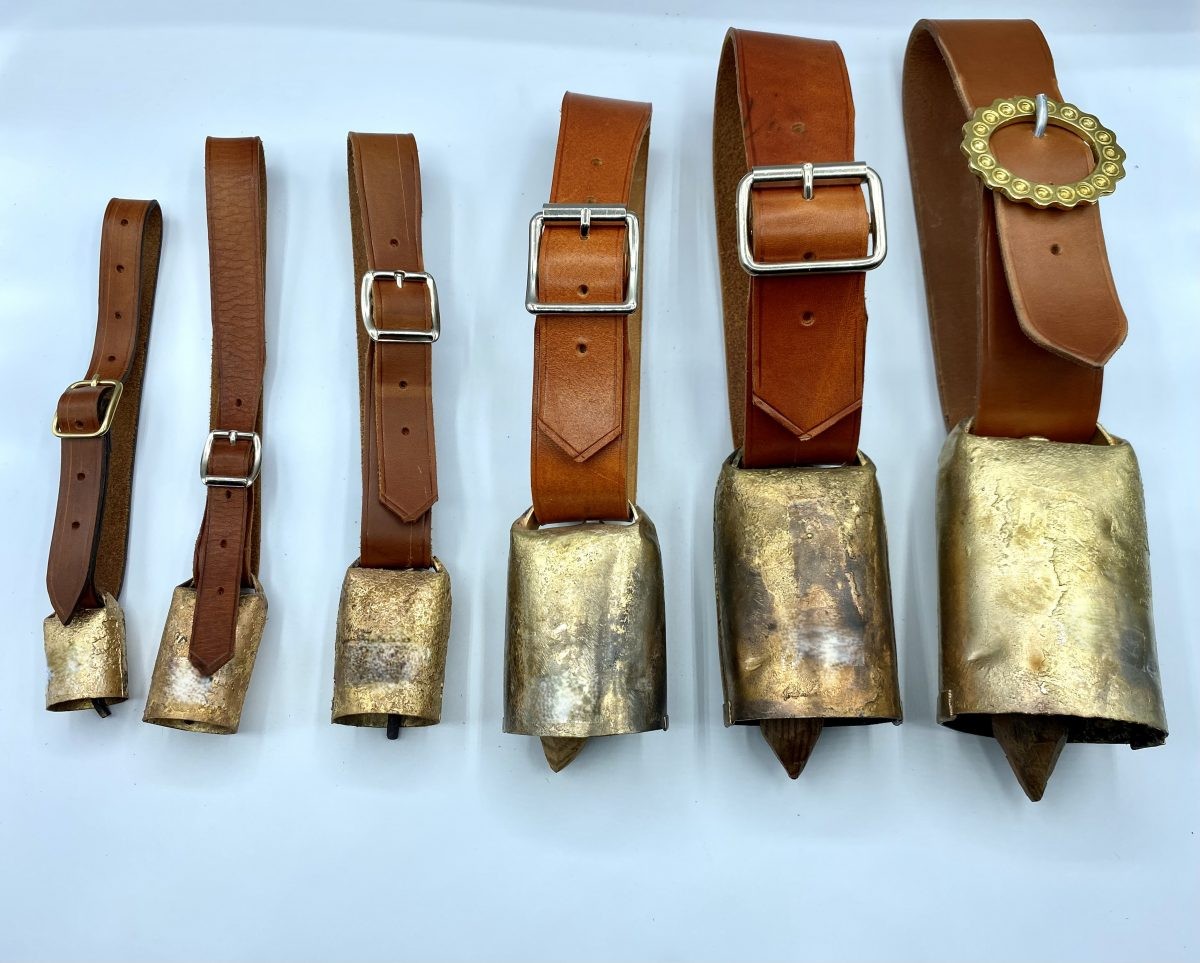
On this tour, we begin by visiting the village of Alcáçovas, which has ancient origins. Alcáçovas is located on the remains of the Roman road that connected Ebora Liberalitas Iulia (Évora) to Urbs Imperatoria Salacia (Alcácer do Sal). Its name derives from the Arabic term Al-qacabâ, meaning ‘fortified citadel’. It was repopulated in 1259 by D. Martinho, Bishop of Évora, who granted it a charter, before D. Afonso III (1210-1279) elevated the village after including it in the Crown's possessions. Equally ancient is the Chocalho das Alcáçovas (rattle for cattle), which has been on the UNESCO list since 2015. The mandatory use of rattles dates back to 1375, the date of the oldest Posturas da Cidade de Évora (City of Évora Regulations), which regulated their use on animals. Since 1439, the manufacture of rattles in Alcáçovas has been documented, when its craftsmen joined the Casa dos Vinte e Quatro (House of Twenty-Four) in Évora. The manual manufacture of rattles is dying out due to new grazing methods and cheaper industrial techniques, but the traditional art of rattle-making is passed down from father to son. Their sound is remarkable in rural areas, allowing shepherds and cowboys to know where their sheep or cattle are.
Here we will have the opportunity to visit a small traditional factory that produces rattles and see how they are made.
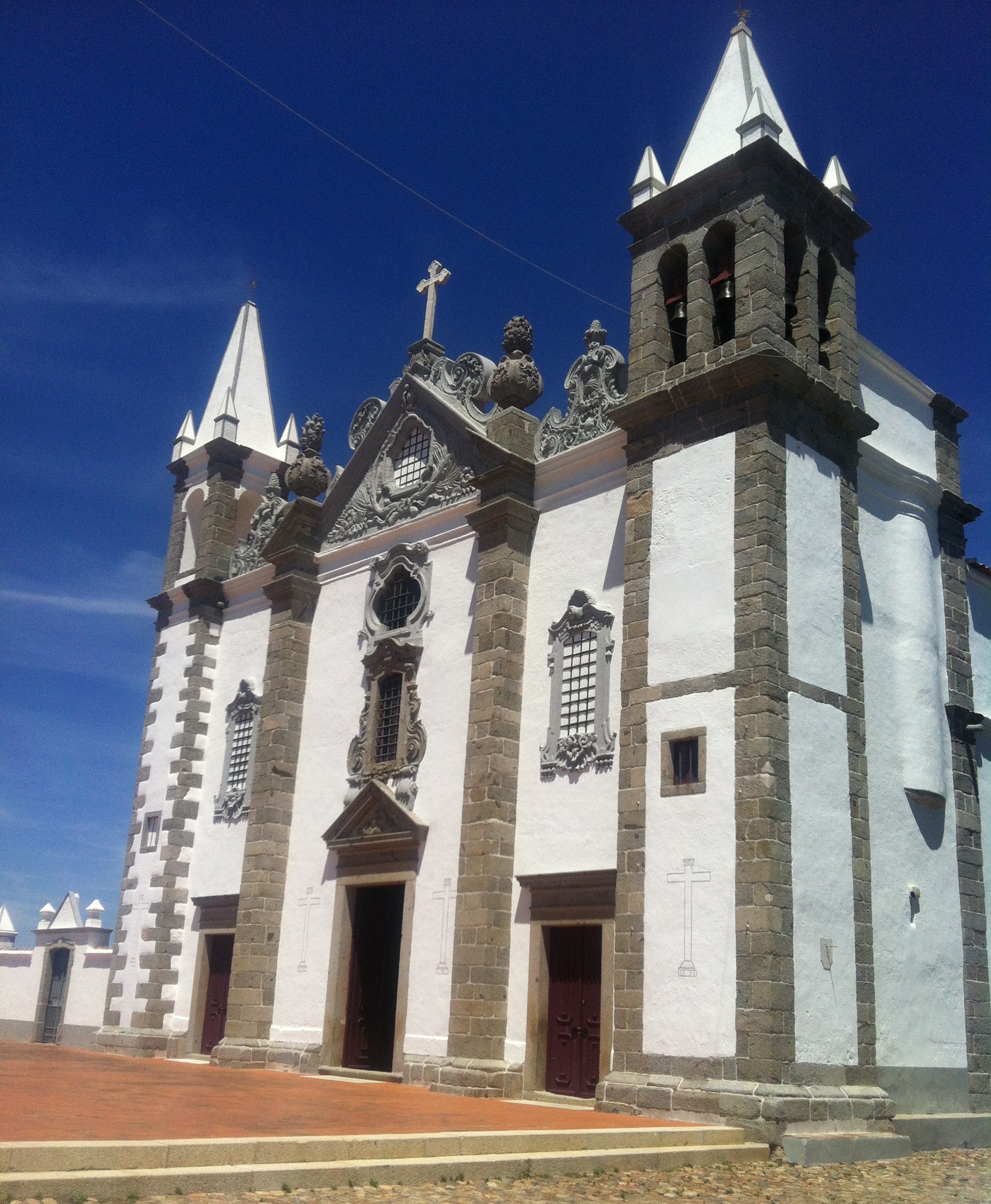
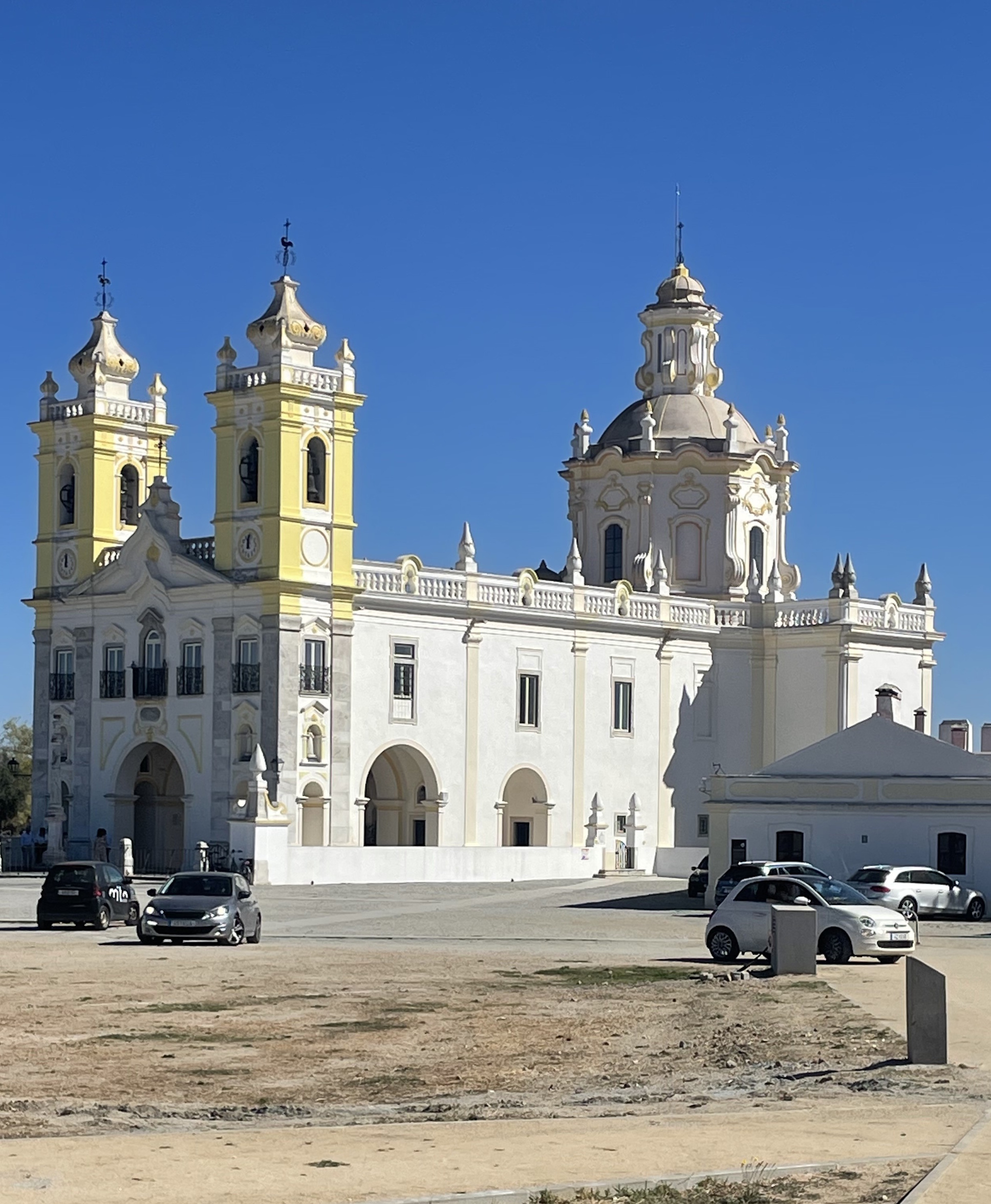
From here, we head to the nearby Sanctuary of Nossa Senhora de Aires, before continuing on to Vila de Frades, to visit the Roman Ruins of São Cucufate and have lunch in a typical Alentejo tavern, where we will sample the Mediterranean diet, inscribed on the UNESCO list in 2013, which encompasses the traditional food of the Mediterranean region in countries such as Portugal, Cyprus, Croatia, Spain, Greece and Morocco.
According to UNESCO, the Mediterranean diet values and highlights hospitality and intercultural dialogue. It plays a vital role in bringing together people of all ages, conditions and social classes. The cuisine of Alentejo is characterised by simple ingredients, from bread as a base for almost all dishes to the use of aromatic herbs such as coriander, oregano, marjoram, mint and pennyroyal. Meats include lamb, black pork and hunted game, mainly in the Alentejo countryside, while fish, particularly dogfish, is the star of Alentejo cuisine. The food is simple but imaginative and varied, always resulting in delicious dishes. Of course, we couldn't miss out on tasting the talha wine and learning at the table during the meal how this nectar is produced, in the same way since the time of the Phoenicians.
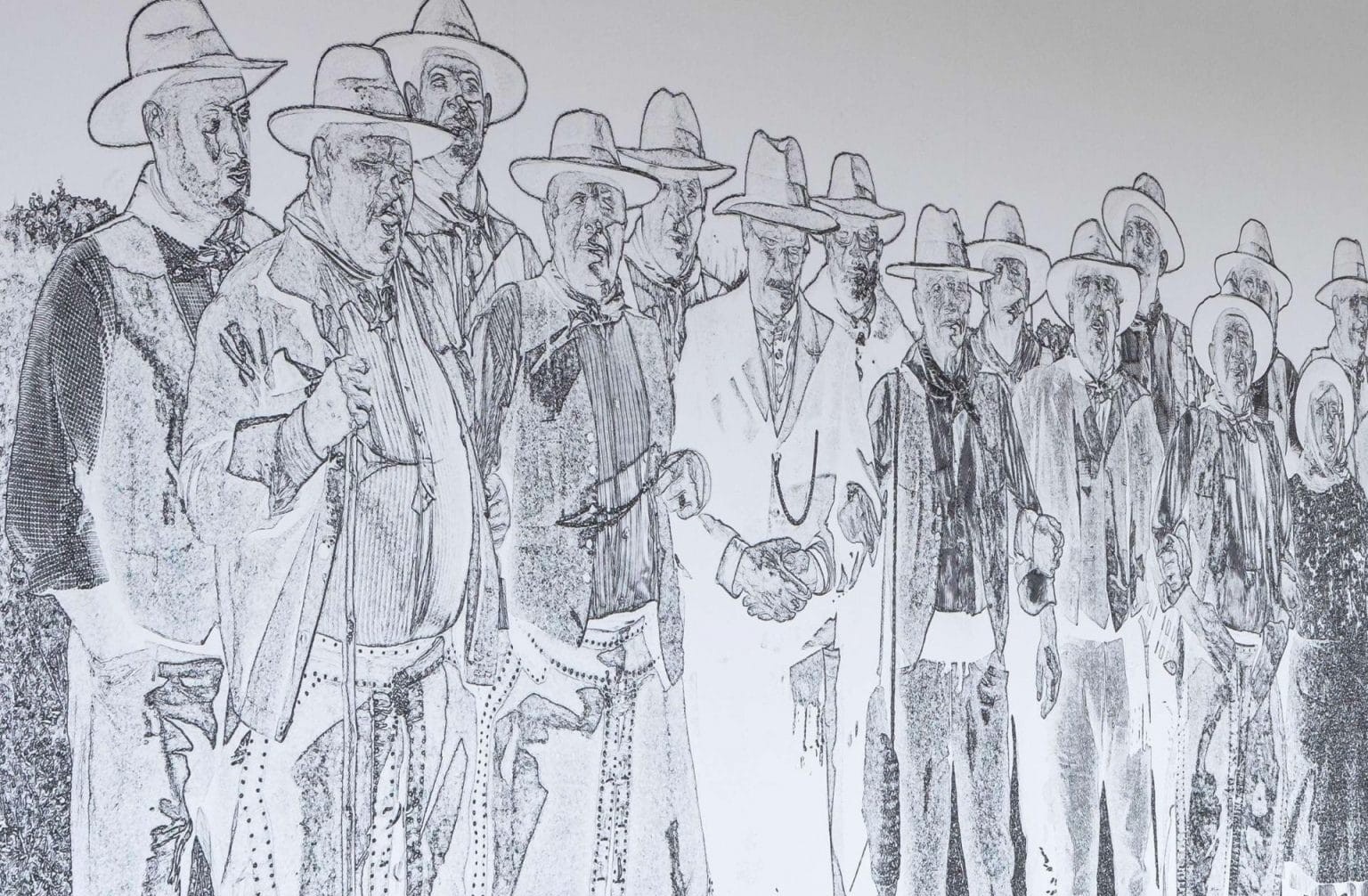
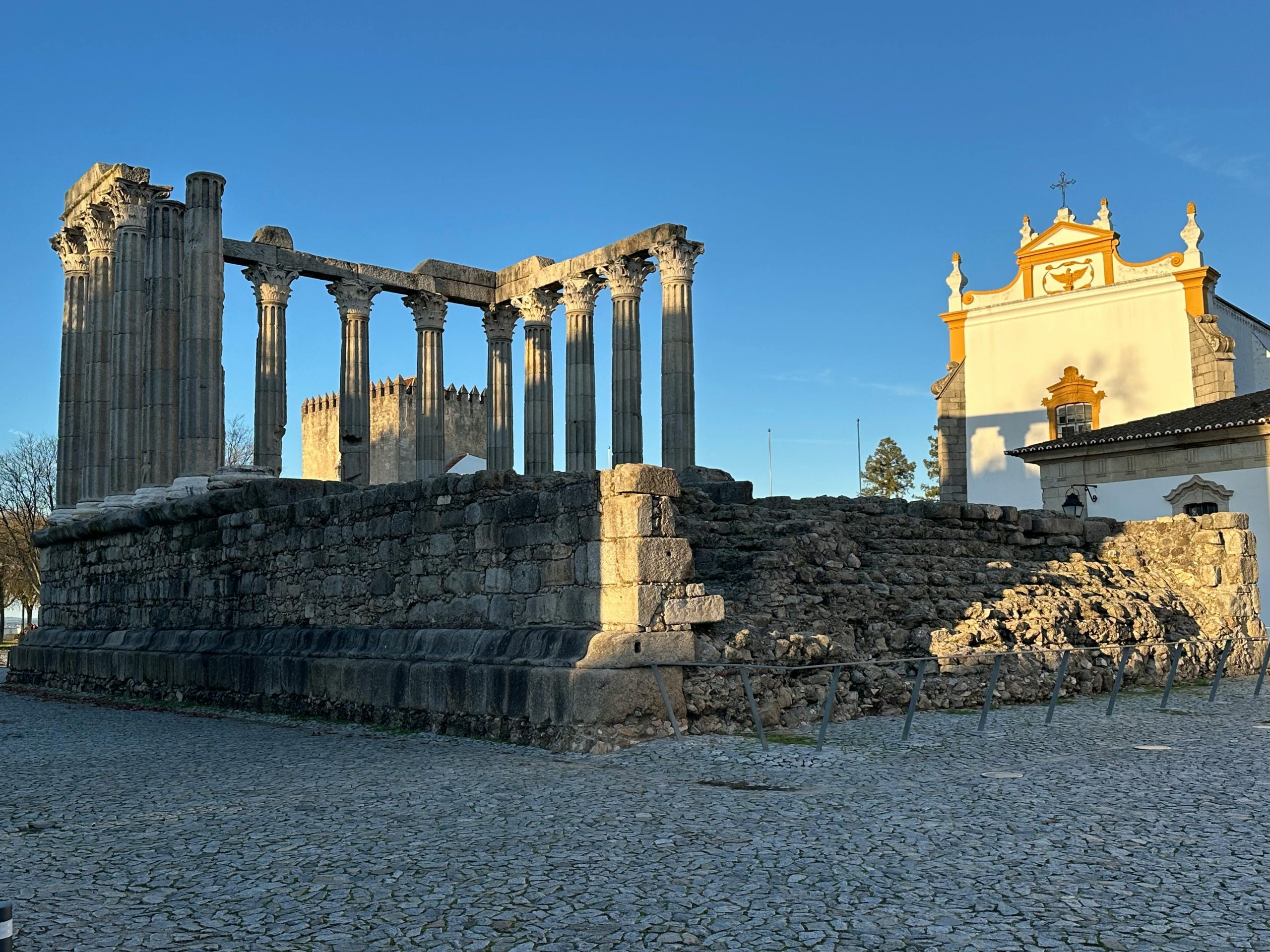
We may be lucky enough to find a group of friends in this tavern singing Cante Alentejano, which has been on the UNESCO list since 2014. It is a traditional two-part singing style performed by amateur choral groups from the Alentejo region. The songs, without instruments (a cappella), are characterised by distinctive melodies, lyrics and vocal styles, singing traditional themes (rural life, nature, love, motherhood, religion). Cante Alentejano was, and still is, a fundamental aspect of social life in Alentejo communities, facilitating social gatherings in public and private spaces. To aid digestion, there is nothing better than taking a walking tour of Évora, which has been a UNESCO World Heritage Site since 1986. The main reason for this distinction is that Évora is the best example of a city from Portugal's golden age after the destruction of Lisbon in the 1755 earthquake.
Évora owes its importance to a history dating back to prehistoric times, with several remains from that period, such as the Cromeleque dos Almendres, Anta Grande do Zambujeiro, among many other megalithic sites. But history has overlapped, making it one of the most notable Roman cities in Lusitania - Ebora Liberalitas Júlia, with several remains, notably the Roman Temple, the baths, the wall and others.
It then became one of the major urban centres in the south of the Portuguese kingdom, a place where monarchs frequently visited and stayed. The Visigoths and Arabs also passed through here, leaving their mark in the form of the so-called ‘Mudejar style’. It later received the influence of humanism, and it was here that some of the first great architectural works of the Iberian Renaissance appeared, around 1530.
Here are some of the monuments and tourist attractions along this route, although many others will appear along the way:
- Roman Temple – Domus Municipalis – Mouraria – Santa Isabel Gate – Chapel of Bones – Church of São Francisco – University – Roman Baths – Church and Convent of Graça – Giraldo Square – Jewish Quarter – Água de Prata Aqueduct – Church of Espírito Santo – Moura Gates – Cathedral – City Walls


Information
Duration: 8 hours
Price:
- 2 people: €320 per person (Tourism)
- 3 people: €295 per person (Tourism)
- 4 to 8 people: €240 per person (Family)
- +9 people: on request
This tour is subject to the availability of all agents (lunch and wine tasting), as it is organised in partnership with a group of tour operators.
We do not mix different clients and groups. This is the only way we can guarantee the quality of our service, of which we are so proud.
INCLUDED AND NOT INCLUDED IN OUR TOURS:
- Lunch with tasting of regional products and wine from the talha
- Guided tour of the Roman ruins of São Cucufate
- Guided walking tour of Évora
- Private transportation
- Fuel
- Tolls
- Parking
- Driver/Guide
- Insurance
- VAT
- Gratuities, tips and bribes (optional)
- Personal expenses
- Anything not mentioned as included