

Évora, Arraiolos and Cork Tour
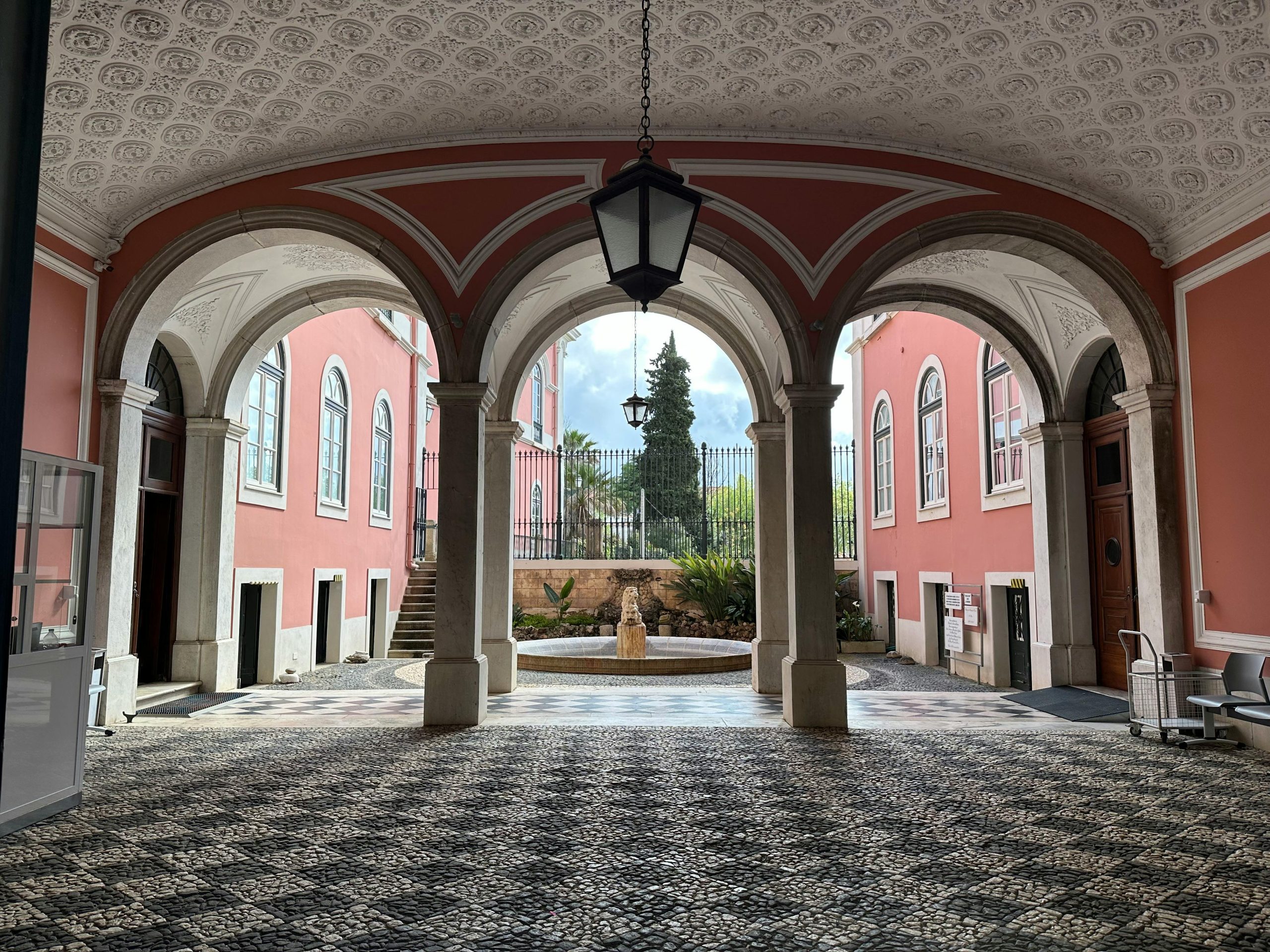
Évora owes its importance to a history dating back to prehistoric times, with several remains from that period, such as the Almendres Cromlech, Anta Grande do Zambujeiro, among many other megalithic sites. But history has overlapped with this, making it one of the most notable Roman cities in Lusitania - Ebora Liberalitas Júlia, with several remains, notably the Roman Temple, the baths, the wall and others.
It then became one of the major urban centres in the south of the Portuguese kingdom, a place where monarchs frequently visited and stayed. The Visigoths and Arabs also passed through here, leaving their mark in the form of the so-called ‘Mudejar style’. It later received the influence of humanism, and it was here that some of the first great architectural works of the Iberian Renaissance appeared, around 1530.
On a walking tour of Évora with Superb Tours, you will get to know the city, with an introduction to the places and monuments we pass by.
Here are some of the monuments and tourist attractions along this route, although many others will appear along the way:
- Roman Temple – Domus Municipalis – Mouraria – Santa Isabel Gate – Chapel of Bones – Church of São Francisco – University – Roman Baths – Church and Convent of Graça – Giraldo Square – Jewish Quarter – Água de Prata Aqueduct – Church of Espírito Santo – Moura Gates – Cathedral – City Walls
Superb Tours takes you on a journey of discovery through the world of cork, starting with one of Portugal's most iconic landscapes, particularly in the Alentejo region – the Montado.
Beyond the border, the Montado landscape extends into Spain, where it is known as the “dehesas”.
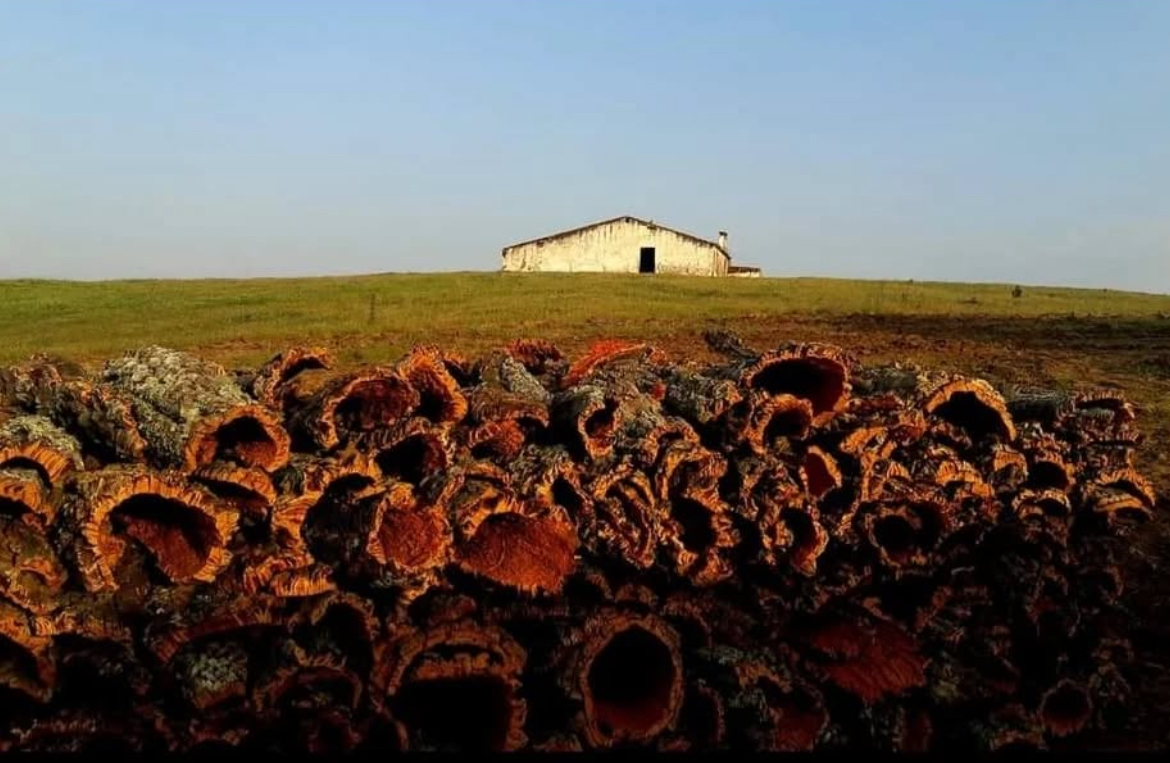
This multifunctional system has trees as its structural component, with two species of oak standing out: the cork oak (Quercus suber) and the holm oak (Quercus rotundifolia).
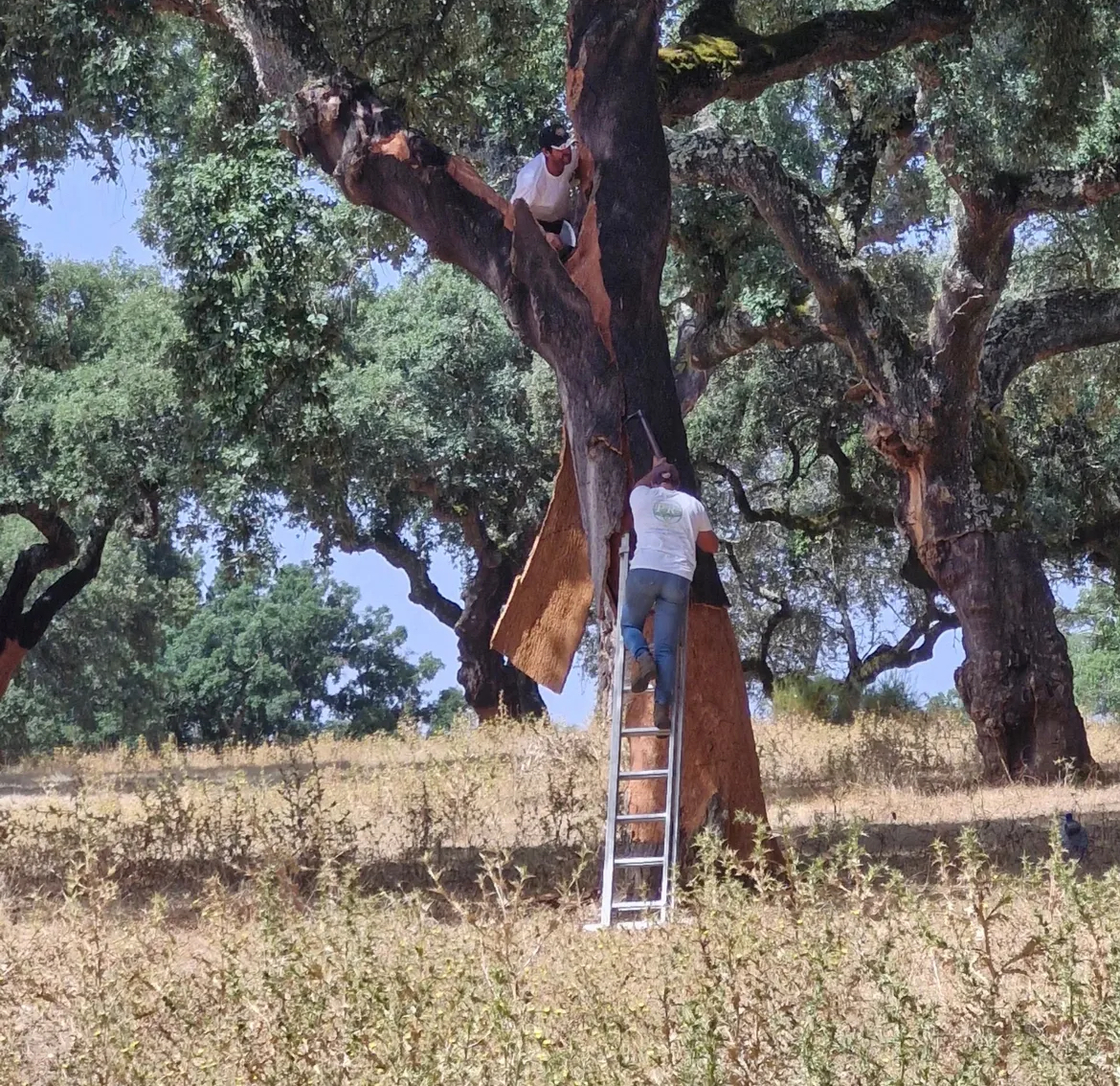
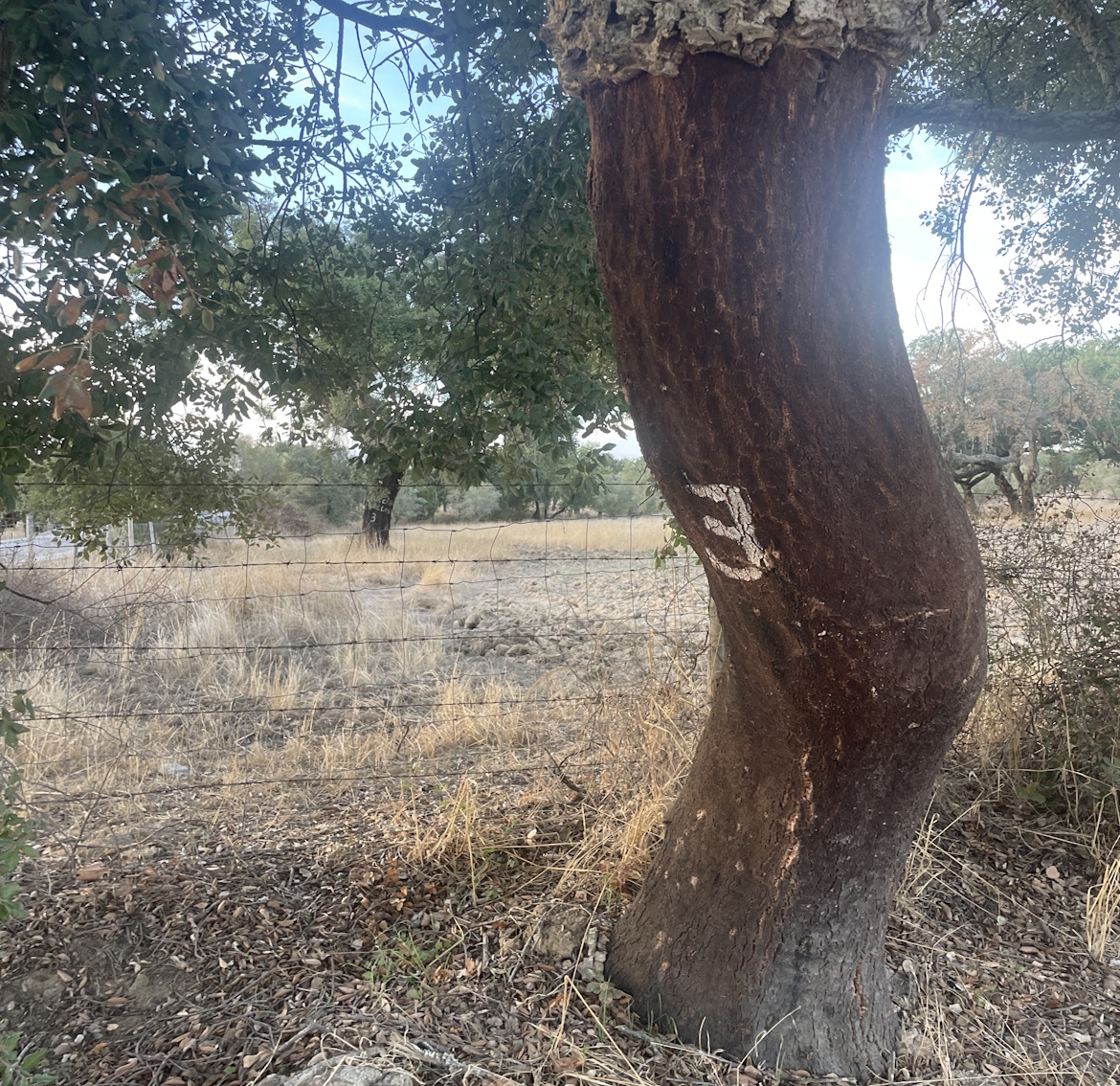
Cork is the skin of the cork oak tree (Quercus suber). It is a 100% natural, 100% reusable and 100% recyclable raw material, extracted from cork oak trees without harming the environment or damaging the trees, when done correctly.
Cork was used by the Ancient Egyptians as a nautical tool, in fishing and in domestic applications. Advanced for their time, the Ancient Egyptians also chose this material for the soles of their sandals, just as the Romans also used cork in insoles for footwear, but broadened their horizons by also applying it as a sealant for amphorae to transport liquids and even in their own homes to cover roofs and ceilings. Even at that time, cork's thermal properties were evident. Its value would later be confirmed by medieval monks, who used it to line the walls of their rooms to protect themselves from the cold in winter and the heat in summer. During the Age of Discovery, this natural raw material was used in Portuguese caravels that set sail to discover new worlds. In the recent past, it was also used in military equipment during World War II.
But rather than just reading about it, why not join Superb Tours on this tour and see everything for yourself, from the Montado to its transformation, where we will visit a cork factory.
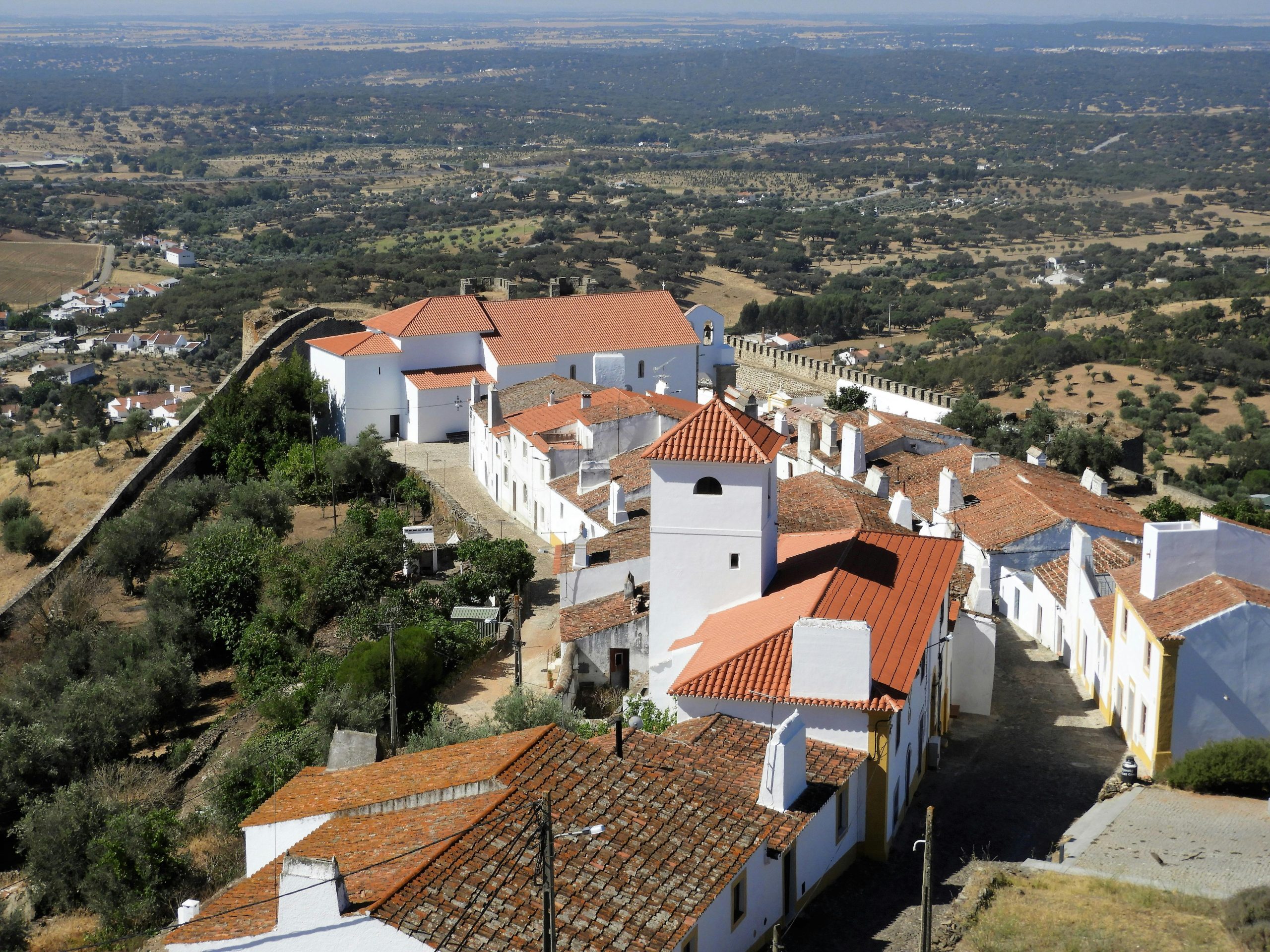
The history of the village of Évora Monte, which is located, with its castle, on top of a hill 481 metres above sea level, between Évora and Estremoz, dates back to prehistoric times, but the village had its first notable moments during the 12th century.
In 1166, Geraldo Geraldes, better known as Geraldo Sem Pavor, offered his services to King Afonso Henriques to help him conquer the Moors in Évora and the surrounding areas, including this small village within the castle.
This villa played a prominent role in Portuguese history one last time on 26 May 1834, when it was the venue for the signing of the Évora Monte Convention, the document that brought an end to the Portuguese Civil War (1828-1834).
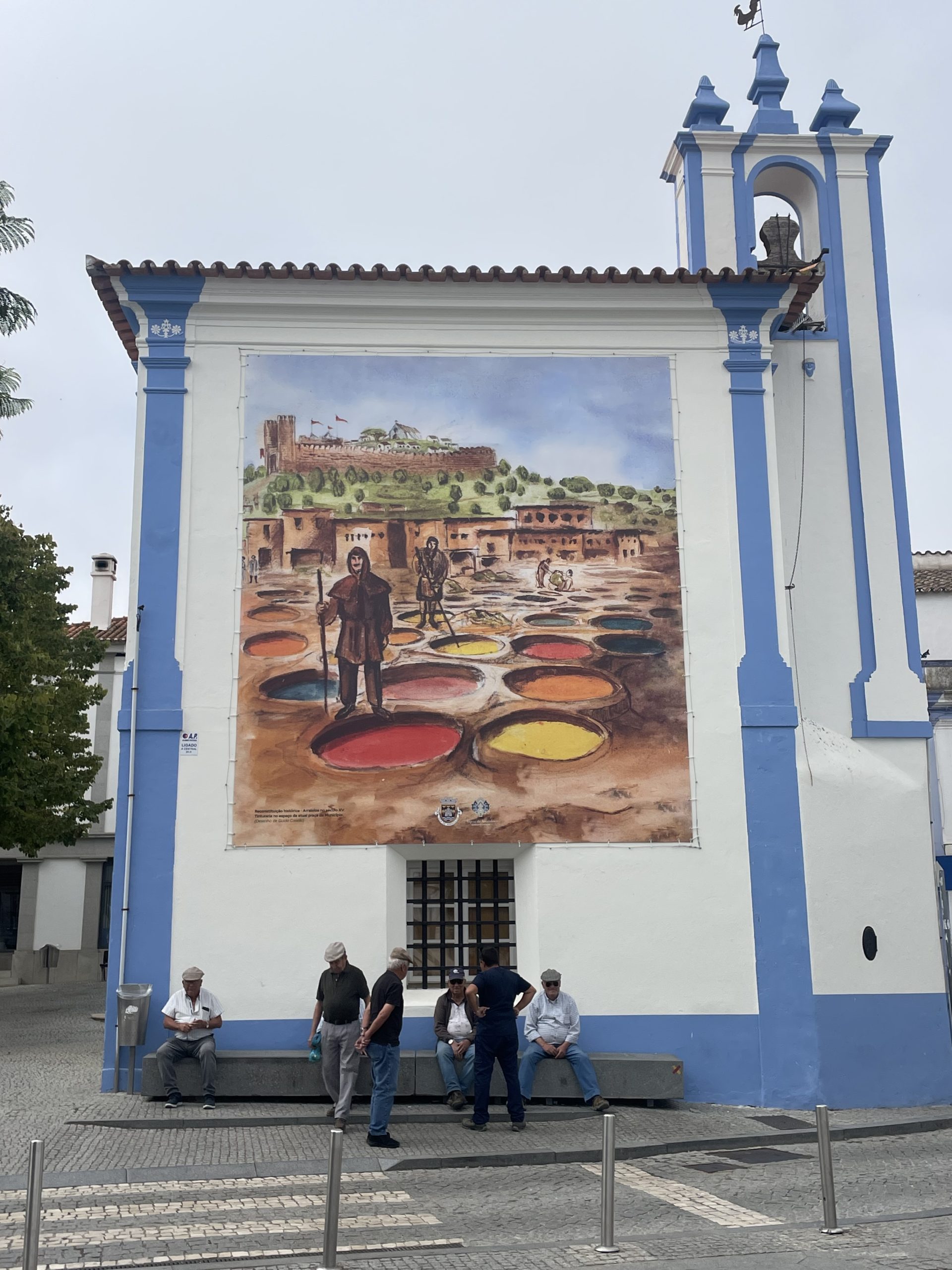
Arraiolos, with its castle towering over the Alentejo plain, is the town's best-known monument and one of the only circular castles in the world. Standing tall above the whitewashed houses, the castle is located at an altitude of over 410 metres and contains the Igreja Matriz do Salvador, a monument that predates the castle itself, with an interior decorated with frescoes.
The most famous product of Arraiolos is its centuries-old rugs, hand-embroidered by generations of embroiderers, whom we can observe at work.

Information
Duration: 9 hours
Price: From €340 / per vehicle for up to 4 passengers (Tourism) || From €560 / per vehicle for up to 8 passengers (Family)
Maximum capacity: 2, 4, and 8 passengers / per vehicle
We do not mix different clients and groups. This is the only way we can guarantee the quality of our service, of which we are so proud.
INCLUDED AND NOT INCLUDED IN OUR TOURS:
- Private transportation
- Fuel
- Tolls
- Parking
- Driver/Guide
- Insurance
- VAT
- Meals
- Gratuities, tips, and bribes (optional)
- Personal expenses
- Entrance fees to monuments
- Anything not mentioned as included